
4
QUALITY EDUCATION
Ensuring inclusive and equitable quality education and promoting lifelong learning opportunities for all
Quality Education
SDG 4 is the University’s effort to ensure equitable access to education at all levels, from early childhood development to secondary education and beyond. With a focus on sustainable education practices, it equips students with relevant skills and promotes effective learning outcomes, which are essential for the future workforce.
“THE Impact Ranking Methodology 2025“
Lifelong Learning and Inclusive Education at Universitas Nahdlatul Ulama Surabaya (Unusa)
- Access to Educational Resources for the Public
- Public Lectures and Events
- Vocational Training and Professional Certifications
- Outreach and Engagement Beyond Campus
- Lifelong Learning Access Policy
Universitas Nahdlatul Ulama Surabaya (Unusa) is firmly committed to supporting lifelong learning by providing open access to a wide range of educational resources for the general public, including those who are not enrolled as students. Through various initiatives—such as community service programs, workforce training (LPKS), and open public lectures—Unusa ensures that knowledge and skills are widely accessible to help enhance community capacity. Programs like LPKS Siapkan Caregiver ke Jepang and Kelas Calon Pekerja ke Jepang offer professional training for individuals preparing to enter the global workforce.
In addition, Unusa organizes numerous online seminars and workshops open to the public, such as AFC Unusa Online Seminar, LPKS Unusa Online Workshop, and Digital Financial Education for Millennials. By utilizing digital platforms and offering open-access learning events—such as the Public Lecture on Artificial Intelligence—Unusa expands access to cutting-edge knowledge in technology and innovation.
Moreover, Unusa provides free public access to academic journals, enabling researchers, educators, and the wider community to benefit from scientific knowledge. These initiatives reflect Unusa’s strong dedication to fostering a lifelong learning ecosystem, promoting digital literacy, and empowering communities through inclusive and sustainable education.
Free courses leading to certificate or award
Free access to campus facilities and equipment
Free access to online resources
Unusa hosts numerous events open to the public, such as regular studium generale or general public lectures, which occur bi-annually at the academic level and at various faculties. These events cover diverse topics, fostering a culture of learning and promoting community engagement with academic discourse. Additionally, Unusa collaborates with Briton English Education to offer Cambridge English certification exams and preparatory training aimed at students, teachers, and higher education participants, thereby encouraging a commitment to lifelong learning within the community.
Through the Professional Certification Institute (LSP Unusa), Unusa offers competency certification services accessible to both students and the general public, aiming to build a skilled, professional workforce. LSP Unusa is integrated into Unusa Growth Hub, part of the Erasmus GITA initiative, and offers vocational training aligned with industry needs. CILACS, Unusa language center, also provides foreign language training for both Unusa members and the public. These programs ensure community members have access to high-quality vocational education, which is essential for personal and professional development.
Universitas Nahdlatul Ulama Surabaya (Unusa) actively carries out a variety of educational outreach activities beyond the campus as a tangible contribution to improving community knowledge and well-being. Through programs such as Bina Desa, Bina Pesantren, and KKN (Kuliah Kerja Nyata), Unusa deploys students and lecturers to engage directly with communities, schools, and Islamic boarding schools, providing education and assistance in key areas such as health, nutrition, hygiene, and community empowerment.
One of the notable initiatives is the Nutrition Education Program and community service activities conducted in collaboration with posyandu (community health post) cadres. In these programs, students and lecturers from various study programs—such as nutrition and midwifery—deliver counseling and training on healthy eating habits, stunting prevention, and maternal and child health care.
Beyond delivering direct benefits to local communities, these outreach programs also serve as experiential learning platforms for students to apply their academic knowledge in real-world contexts while nurturing their sense of volunteerism and social responsibility. Through initiatives like Bina Desa and Bina Pesantren, Unusa plays an active role in building community capacity through education-based service, aligning with its mission to foster a healthy, empowered, and knowledgeable society.
Universitas Nahdlatul Ulama Surabaya (Unusa) ensures that its lifelong learning access policy is implemented in an inclusive manner—regardless of ethnicity, religion, immigration status, disability, or gender. A concrete example of this inclusivity was demonstrated during Unusa’s graduation ceremony on September 27, where the event featured the recitation of sholawat Nabi and the presence of four religious leaders representing Islam, Catholicism, Christianity, and Hinduism to accompany the oath-taking of graduates from diverse religious backgrounds.
Through this meaningful gesture, Unusa underscores that all students—regardless of their faith or background—are welcomed and served equally within the academic environment. This practice stands as clear evidence that access to educational opportunities and academic participation at Unusa is open, equitable, and inclusive, ensuring that every individual has the right to learn and grow without discrimination.
Evidence :
FGD on Learning and Assistive Technology for People with Disabilities
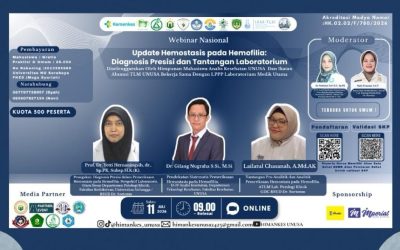
Forum Ilmiah Nasional Mahasiswa UNUSA Ungkap Tantangan Diagnosis Hemofilia
Kolaborasi Himpunan Mahasiswa D-IV Analis Kesehatan (Himankes) Universitas Nahdlatul Ulama Surabaya (UNUSA) dengan Ikatan Alumni TLM UNUSA dan LPPP Laboratorium Medik Utama merupakan bentuk komitmen dalam meningkatkan kapasitas profesionalisme ahli laboratorium medis....
FK UNUSA dan Universiti Malaya Soroti Rehabilitasi Komprehensif Pasien Stroke
SURABAYA – Fakultas Kedokteran Universitas Nahdlatul Ulama Surabaya (FK UNUSA) bersama Universiti Malaya menggelar Webinar Internasional bertema “From Spasticity to Contracture: A Practical Neuromuscular–Musculoskeletal Approach to Stroke” pada 27 Maret 2026. Webinar...
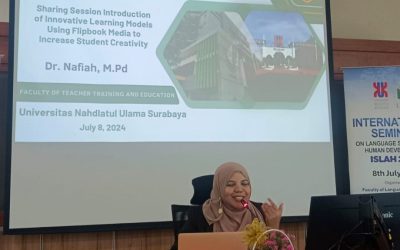
Dosen FKIP UNUSA Jadi Narasumber Sharing Session Internasional di UMK Malaysia: Dorong Inovasi Pembelajaran Digital
DI tengah derasnya transformasi digital, dunia pendidikan menghadapi tantangan baru: bagaimana memastikan mahasiswa tetap terlibat aktif dan kreatif, sementara metode belajar tradisional mulai kehilangan daya tariknya. Jika pendidik tidak segera beradaptasi, maka...
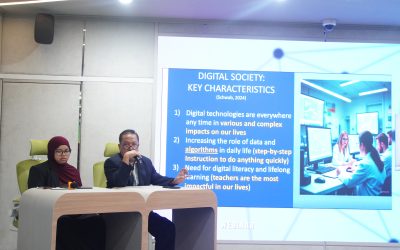
Guru Belum Siap Hadapi AI? Webinar Internasional UNUSA Buka Jalan Solusinya
KEMAJUAN teknologi informasi dan komunikasi semakin mendorong dunia pendidikan untuk terus beradaptasi dan berinovasi. Artificial Intelligence menjadi salah satu pilar penting dalam perkembangan industri, inovasi, dan infrastruktur pendidikan modern. Namun, untuk...
Educamp PGSD UNUSA: Ruang Baru untuk Mewujudkan Ide Menjadi Solusi Pendidikan
INDONESIA sedang berada pada fase penting dalam upaya meningkatkan kualitas pendidikan yang berkelanjutan. Salah satu target besar pembangunan global atau SDGs adalah memastikan setiap pelajar mendapatkan pengalaman belajar terbaik dari guru-guru yang tidak hanya...
Bergerak Bersama Wujudkan Pendidikan Berkelanjutan melalui Gema Pradana Festival
PENDIDIKAN yang baik bukanlah sesuatu yang terjadi begitu saja. Hal ini membutuhkan pendidik yang tidak hanya mahir dalam mengajar, tetapi juga imajinatif, kreatif, dan mampu menginspirasi optimisme pada generasi mendatang. Salah satu tantangan terbesar yang dihadapi...