
12
RESPONSIBLE CONSUMPTION AND PRODUCTION
Ensuring Sustainable Production and Consumption Patterns
Responsible Consumption and Production
Ensuring sustainable production and consumption patterns. SDG 12 refers to actions in the use of goods and services that maintain environmental sustainability. This includes minimizing the use of natural resources and hazardous materials, reducing waste and pollutant emissions, and ensuring the needs of future generations are not threatened.
Unusa, as a university, is also participating in the implementation of SDG 12, including the Unusa Mobile Water Treatment and Incinerator, which are part of its management efforts. This is expected to reduce waste and pollutant emissions. Furthermore, Unusa’s collaboration with UNICEF supports health and nutrition initiatives, including food fortification. Food fortification is one step in supporting sustainability.
Unusa Operational Measures in Sustainability
- Promotes responsible consumption and sustainable waste management practices
- Unusa declaration of a Plastic-Free Campus Initiative, aimed at reducing the use of single-use plastic
Universitas Nahdlatul Ulama Surabaya is dedicated to promoting sustainable practices and responsible consumption, in line with the Sustainable Development Goals (SDGs), particularly Goal 12, which emphasizes ensuring sustainable consumption and production patterns. A significant initiative in this commitment is the establishment of a Memorandum of Understanding (MoU) with CV. Lambang Makmur, focusing on the transportation and management of non-medical waste generated by the university. Through the MoU with CV. Lambang Makmur, Universitas Nahdlatul Ulama Surabaya actively promotes responsible consumption and sustainable waste management practices. This initiative not only contributes to the university’s environmental goals but also sets an example for the community in adopting sustainable practices.
Universitas Nahdlatul Ulama Surabaya is committed to promoting sustainable practices and responsible consumption as part of its alignment with the Sustainable Development Goals (SDGs), particularly Goal 12, which emphasizes ensuring sustainable consumption and production patterns. A significant step in this commitment is the university’s declaration of a Plastic-Free Campus Initiative, aimed at reducing the use of single-use plastic bottles by encouraging the adoption of reusable drink containers. Through the Plastic-Free Campus Initiative, Universitas Nahdlatul Ulama Surabaya actively promotes responsible consumption and environmental sustainability. This initiative not only contributes to reducing plastic waste on campus but also serves as a model for other institutions in adopting sustainable practices.
evidence :
News
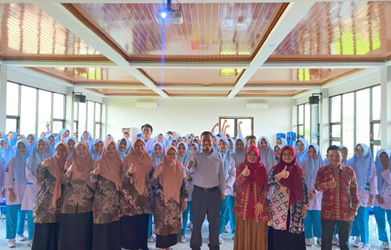
UNUSA Ajarkan Pembuatan Kit Deteksi Merkuri pada Siswa
BELAKANGAN ini, produk kosmetik telah menjadi kebutuhan dasar bagi orang-orang yang ingin tampil menarik, tanpa memperhatikan ada atau tidaknya kandungan dan izin distribusi yang terdaftar di BPOM. Situasi ini kadang dimanfaatkan oleh beberapa pelaku bisnis untuk...
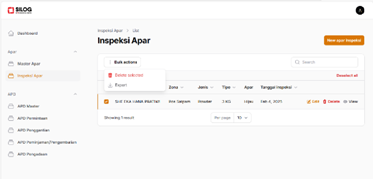
Manfaatkan Website untuk Inspeksi Alat Pemadam Api Ringan
TEKNOLOGI saat ini telah menjadi bagian terpenting di kehidupan manusia terutama dalam sektor industri. Menurut Kementerian Perindustrian Republik Indonesia Tahun 2024, penggunaan teknologi digital di sektor industri telah meningkat sebesar 25% antara tahun 2020...

Pentingnya Human Capital terhadap Kinerja Keuangan UMKM melalui Green Innovation
DATA Usaha Mikro, Kecil dan Menengah (UMKM) di Indonesia menunjukkan jumlah yang mencapai lebih dari 65 juta unit usaha pada tahun 2024. Dengan kontribusi signifikan terhadap pertumbuhan ekonomi berkelanjutan sebesar 61,07% atau sekitar Rp8.573,89 triliun dan...
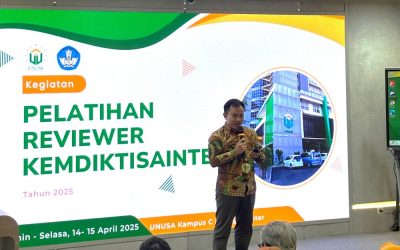
Mengawali Kualitas Riset, UNUSA Siapkan Dosen Hadapi Tahap Evaluasi
BAGAIMANA sebuah universitas memastikan dana penelitian menghasilkan karya yang bermanfaat?. Sebagai bagian dari komitmen terhadap pendidikan yang berkualitas, pihak universitas harus bisa memastikan penggunaan dana untuk menjadi pengetahuan yang bermanfaat untuk...
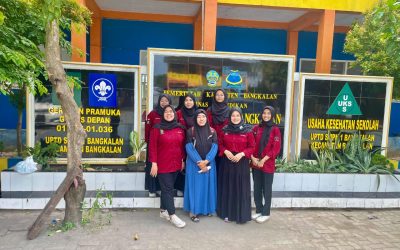
Dosen Unusa Dampingi Pengelola Kantin Dan Siswa SMPN 1 Bangkalan Lewat Literasi Keamanan Pangan
Surabaya - Permasalahan keamanan pangan menjadi sangat penting karena akan menimbulkan beban sosio-ekonomi bagi konsumen (risiko kesehatan, biaya rawat inap, dan kematian) dan juga bagi industri pangan (penarikan produk, sisa makanan, dan hilangnya hasil panen). Dalam...