
16
PEACE, JUSTICE AND STRONGE INSTITUTIONS
Strengthening Inclusive and Peaceful Societies for Sustainable Development, Providing Access to Justice for All, and Building Effective, Accountable, and Inclusive Institutions at All Levels
Peace, Justice, and Strong Institutions
SDG 16 focuses on building peaceful, inclusive, and just societies, ensuring that every individual has access to justice without discrimination. The objectives of SDG 16 cover most dimensions of civil and political human rights. These objectives have several focused indicators, namely reducing violence, ending corruption, human trafficking, and the exploitation of children and women.
In this regard, SDG 16 emphasizes the importance of transparent, accountable, and responsive government institutions. By creating strong and ethical institutions, sustainable development can be achieved through public trust, fair law enforcement, and the protection of human rights.
Universities play a crucial role in instilling the values of justice, integrity, transparency, and respect for human rights through education and student activities. Campuses can also serve as spaces for inclusive dialogue for diverse community groups, promoting tolerance, democracy, and diversity. Furthermore, accountable, transparent, and participatory university governance can serve as an example of strong institutional practices. Through research and community service, universities can also provide data-driven public policy recommendations to strengthen government institutions and civil society.
- Emphasizes inclusive societies, effective governance, and access to justice for all
- Importance of effective, accountable institutions at all levels
- Importance of inclusive societies, effective governance, and the promotion of fundamental freedoms
- Effective governance and partnerships for sustainable development
- Inclusive policies and colaboration with government agencies
- Initiating, Developing and Implementing partnership and discuss about improving FPBB program with UNICEF and East Java Government
Universitas Nahdlatul Ulama Surabaya (UNUSA) is committed to fostering peace, justice, and strong institutions in alignment with the Sustainable Development Goals (SDGs), particularly Goal 16, which emphasizes inclusive societies, effective governance, and access to justice for all. A significant aspect of this commitment is the university’s implementation of participatory governance meetings in collaboration with the Majelis Permusyawaratan Mahasiswa (MPM), or the Student Consultative Assembly. Additionally, student organizations at UNUSA engage in collaborative social activities with community organizations to promote social welfare.
The participatory governance meetings serve as a vital platform for students to engage in the decision-making processes that shape their academic environment. By collaborating with the MPM, the university ensures that student perspectives are included in governance discussions, fostering a sense of ownership and accountability within the student body.
In addition to participatory governance, UNUSA student organizations actively collaborate with community institutions to conduct social activities that benefit the wider community. This engagement fosters a sense of social responsibility and strengthens ties between the university and local communities.
evidence : Mpm Unusa laksanakan rapat untuk wujudkan tata kelola kampus yang partisipatif
Universitas Nahdlatul Ulama Surabaya (UNUSA) is dedicated to promoting peace, justice, and strong institutions in alignment with the Sustainable Development Goals (SDGs), particularly Goal 16, which emphasizes the importance of effective, accountable institutions at all levels. A key initiative in this commitment is the university’s proactive approach to preventing corruption and bribery through educational programs that raise awareness about anti-corruption practices. UNUSA recognizes the critical need to combat corruption and bribery within society. To address this issue, the university has implemented educational initiatives that focus on anti-corruption, collusion, and nepotism (KKN). These programs aim to equip students and the broader community with the knowledge and tools necessary to recognize and combat corrupt practices. A significant aspect of this initiative is the collaboration with prominent figures in the anti-corruption movement. Notably, UNUSA partnered with Dr. Nurul Ghufron S.H., M.H., who served as the Deputy Chairman of the Corruption Eradication Commission (KPK) from 2019 to 2023. His expertise and experience in combating corruption provide invaluable insights into the challenges and solutions related to corruption in Indonesia.
evidence : PKKMB Unusa digelar online tak sekedar pengenalan wujudkan generasi visioner berintegritas
Universitas Nahdlatul Ulama Surabaya (UNUSA) is committed to fostering peace, justice, and strong institutions in alignment with the Sustainable Development Goals (SDGs), particularly Goal 16, which emphasizes the importance of inclusive societies, effective governance, and the promotion of fundamental freedoms. A key aspect of this commitment is the university’s dedication to providing academic freedom to its community, allowing faculty, researchers, and students to engage in scholarly activities and express their ideas freely. UNUSA actively promotes an environment where academic staff and students are encouraged to pursue research in their respective fields. This commitment to research fosters innovation and contributes to the advancement of knowledge across various disciplines, ultimately benefiting society as a whole. The university provides opportunities for its academic community to present their research findings and share their expertise with wider audiences. The university recognizes the importance of empowering its academic community to express their ideas and opinions. This empowerment not only enhances individual confidence but also encourages collaborative efforts to address societal challenges through research and discourse.
evidence :
16 Proposal Dosen Unusa mendapatkan Dana Hibah Kemristekdikti
Program LPPM Bidang Penelitian
Anak SD Belum Bisa Membaca? Ini Cara Kreatif untuk Mengatasinya!
Universitas Nahdlatul Ulama Surabaya (UNUSA) is dedicated to promoting peace, justice, and strong institutions in alignment with the Sustainable Development Goals (SDGs), particularly Goal 16, which emphasizes the importance of effective governance and partnerships for sustainable development. A key aspect of this commitment is UNUSA’s proactive collaboration with government agencies to provide education and services that address critical societal needs. UNUSA actively collaborates with various government institutions to enhance the quality of education and community services. These partnerships are aimed at addressing pressing issues within society and promoting public welfare through targeted educational campaigns and programs. One notable example of this collaboration is the campaign organized in partnership with the Directorate of Health Services for Vulnerable Groups under the Ministry of Health of the Republic of Indonesia. This initiative focuses on Psychological First Aid (P3LP), providing essential training and resources to equip individuals with the skills needed to support those experiencing psychological distress. Through this campaign, UNUSA aims to raise awareness about mental health and improve the overall well-being of vulnerable populations. Another significant collaboration involves the partnership with the Environmental Agency of Jombang Regency to implement the Jombang Smart Environment program. This initiative focuses on promoting environmental awareness and sustainable practices within the community.
evidence :
Universitas Nahdlatul Ulama Surabaya (UNUSA) is committed to advancing peace, justice, and strong institutions in alignment with the Sustainable Development Goals (SDGs), particularly Goal 16, which emphasizes the importance of effective governance, inclusive policies, and partnerships for sustainable development. A fundamental aspect of this commitment is UNUSA’s active collaboration with government agencies to participate in policy-making and service delivery that addresses critical health and social issues. A notable example of this collaboration is the campaign organized in partnership with the Ministry of Health (Kemenkes), focusing on preparing individuals to become pioneers in providing Psychological First Aid. This initiative aims to equip participants with the knowledge and skills necessary to support those experiencing psychological distress, thereby addressing mental health as a crucial component of overall well-being. UNUSA’s involvement in such campaigns demonstrates its commitment to supporting government initiatives aimed at creating a healthier Indonesia. Through its active collaboration with government agencies, Universitas Nahdlatul Ulama Surabaya exemplifies a strong commitment to the principles of peace, justice, and strong institutions. By participating in policy discussions and service initiatives, UNUSA not only enhances its role as a key partner in public health but also contributes to the realization of a healthier, more equitable society.
evidence :
Bersama Kemenkes, Unusa Siap jadi Pelopor Pertolongan Pertama Luka Psikologis
Universitas Nahdlatul Ulama Surabaya (UNUSA) is dedicated to promoting peace, justice, and strong institutions in line with the Sustainable Development Goals (SDGs), particularly Goal 16, which emphasizes the importance of effective governance, partnerships, and community well-being. A critical aspect of this commitment is UNUSA’s collaboration with UNICEF and the East Java Provincial Government to discuss and support initiatives aimed at improving community nutrition through the Large-Scale Food Fortification Program (FPBB). UNUSA actively collaborates with UNICEF and the East Java Provincial Government to address nutritional deficiencies in the community. This partnership focuses on developing and implementing strategies that enhance food security and improve the nutritional status of vulnerable populations. UNUSA plays a vital role in discussions surrounding nutrition policies and strategies. Through these engagements, the university contributes its expertise in health and nutrition, ensuring that evidence-based approaches are incorporated into the program’s design and implementation. Through its collaboration with UNICEF and the East Java Provincial Government, Universitas Nahdlatul Ulama Surabaya exemplifies a strong commitment to the principles of peace, justice, and strong institutions. By actively participating in initiatives that promote community nutrition, UNUSA not only supports public health goals but also contributes to the development of effective partnerships that foster sustainable development.
evidence :
News

Edukasi Sejak Dini, Unusa Ajak Siswa SD Stop Bullying
KASUS bullying atau perundungan masih sering terjadi di lingkungan sekolah. Fenomena ini menjadi perhatian banyak pihak karena dampaknya sangat merugikan, terutama bagi para korbannya. Oleh karena itu, edukasi mengenai pencegahan bullying sangat penting dilakukan...
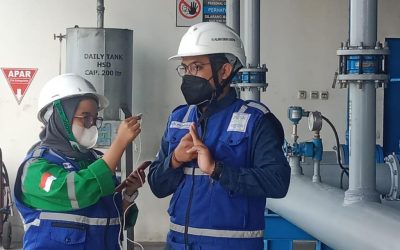
Komitmen UNUSA Melahirkan Lulusan K3 Berprestasi dan Berkarakter Melalui LKMM-TD dan SECTION
Surabaya - Universitas Nahdlatul Ulama Surabaya (UNUSA) kembali menegaskan komitmennya dalam melahirkan lulusan Program Studi D-IV Keselamatan dan Kesehatan Kerja (K3) yang unggul tidak hanya dari sisi akademik tetapi juga berkarakter Islami dan berjiwa kepemimpinan....