
13
CLIMATE ACTION
Taking Urgent Action to Address Climate Change and Its Impacts
Climate Action

SDG 13 focuses on the importance of immediate and concrete action to reduce the increasingly noticeable impacts of climate change around the world, such as rising global temperatures, flooding, droughts, and extreme weather.
SDG 13, which aims to address climate change, has three targets: strengthening resilience and adaptive capacity to climate-related disasters and natural disasters; integrating climate change mitigation actions into national policies, strategies, and planning; and improving education, awareness, and capacity of people and institutions in mitigation, adaptation, impact reduction, and early warning of climate change.
In short, climate change has a positive impact on the inconsistency of the natural balance, which will indirectly worsen environmental damage. In this context, international collaboration plays a very important role, whereby developed countries are encouraged to assist developing countries through funding, transfer of environmentally friendly technology, and improvement of human resource capacity. Therefore, SDG programs that focus on Climate Action have become an alternative in addressing climate change globally.
Universities have a strategic role in achieving this goal by developing renewable energy research, innovating environmentally friendly technologies, and integrating climate change issues into the curriculum. Furthermore, universities can serve as role models through green campus policies, such as energy efficiency, waste management, and greening campus areas. Students can also be involved in community service programs to educate the public about climate mitigation and adaptation.
Unusa Initiatives in Low Carbon Energy, Environmental Education, and Climate Action
- Low Carbon Energy Measurement
- Climate Education Programs
- Climate Action Plan and Government Collaboration
- Climate Disaster Preparedness
- Partnership with NGOs on Climate Adaption
- Commitment to Carbon Neutrality
Unusa has developed a carbon footprint measurement methodology that tracks emissions from key sources, including electricity and campus transportation. Efforts to install solar panels at select faculties and initiate biodiesel production from used cooking oil underscore Unusa commitment to transitioning to low-carbon energy. This aligns with SDG 13 by directly addressing greenhouse gas emissions and promoting renewable energy.
Through the International Conference on Sustainable Built Environment (ICSBE) led by the Faculty of Civil Engineering and Planning, Unusa plays an active role in advancing global climate knowledge. This annual event fosters collaboration and develops climate solutions for built environments, emphasizing mitigation and adaptation strategies that align with SDG 13.
Unusa shares its climate initiatives, such as renewable energy projects, with Sleman Regency government, and engages in cooperative climate planning. This collaboration strengthens local climate action, aligning with SDG 13 by fostering resilience and adaptation strategies at a regional level.
Unusa Center for Climate Change and Disaster Studies (PuSPIK) serves as a focal point for climate and disaster resilience research, public awareness, and policy collaboration. Additionally, Professor Sarwidi’s innovative designs like the Emergency Protection Room (RULINDA) and Tsunami Safer Stage Building (BAPALATSU) highlight UII’s commitment to improving community resilience and working with government agencies and NGOs to address climate-related risks.
PuSPIK actively partners with various organizations and NGOs, building collaborative solutions for climate adaptation and educating communities on climate resilience strategies. This outreach exemplifies UII’s dedication to fostering sustainable development and resilience within broader society, in line with SDG 13.
Unusa achieved carbon neutrality in 2021, largely due to sustainable campus design, reduced operational activity during COVID-19, and energy-efficient new building projects. Incorporating natural lighting, solar installations, and paperless teaching practices have further reduced the university’s carbon footprint, advancing UII’s long-term goal for sustainable climate action.
News
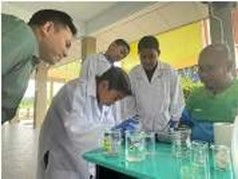
Edukasi Siswa di Malaysia Cara Mengukur Kualitas Air
KETERSEDIAAN air bersih menjadi salah satu aspek penting yang mempengaruhi kesehatan, kesejahteraan, dan keberlanjutan lingkungan di seluruh dunia, termasuk di Malaysia. Kesadaran akan pentingnya air bersih di kalangan generasi muda sangat penting karena mereka adalah...

Tingkatkan Kesadaran Keselamatan Kerja Bengkel Truk Lewat Pelatihan Pemadaman Kebakaran
KESELAMATAN kerja merupakan aspek fundamental yang harus menjadi perhatian utama di setiap lingkungan kerja. Begitu juga dengan industri bengkel reparasi truk yang memiliki potensi bahaya tinggi terhadap kecelakaan dan kebakaran. Menanggapi pentingnya masalah ini,...

Pagi Cerah, Gula Stabil: Edukasi Terapi Berjemur Untuk Pencegahan Diabetes Melitus
ORGANISASI Kesehatan Dunia (WHO) memperkirakan jumlah penderita diabetes melitus di Indonesia akan meningkat dari 8,4 juta pada tahun 2000 menjadi sekitar 21,3 juta pada tahun 2030. Berdasarkan penelitian, remaja usia 15-20 tahun memiliki kadar glukosa dengan status...

Dosen Ankes Unusa Lakukan Pendampingan Kesehatan Cegah Keracunan Gas Karbon Monoksida
Sidoarjo - Gas karbon monoksida (CO) sering disebut sebagai “silent killer” karena keberadaannya yang tak berbau, tak berwarna, dan sangat berbahaya jika terhirup secara terus-menerus. Gas ini dihasilkan dari pembakaran bahan bakar seperti kayu, minyak, industri,...