
2
Zero Hunger
Ending Hunger, Achieving Food Security and Good Nutrition, and Promoting Sustainable Agriculture
Zero Hunger
Universitas Nahdlatul Ulama Surabaya (Unusa) places great emphasis on food security and access to nutritious food for its students, faculty, staff, and the surrounding community. Unusa recognizes that proper nutrition plays a vital role in supporting health and academic achievement; therefore, the university is committed to implementing various initiatives to ensure that every individual has access to healthy and affordable food. Through collaboration with local farmers, agricultural institutions, as well as government and private partners, Unusa promotes environmentally friendly agricultural practices while strengthening a sustainable food system. The university also provides training and mentoring programs to help communities adopt modern agricultural methods that are efficient, productive, and aligned with environmental preservation principles.
In addition to focusing on food management, Unusa develops community empowerment programs in the field of food entrepreneurship. Participants not only gain technical skills but are also equipped with the ability to manage businesses, access markets, and build independent economic networks. This approach helps communities improve their living standards and strengthen economic resilience, while also contributing to the achievement of the Sustainable Development Goals (SDGs), particularly those related to poverty eradication and food security. Through these initiatives, Unusa demonstrates its strong commitment to fostering empowered, healthy, and self-reliant communities, while reinforcing its role as an educational institution that actively contributes to sustainable development.
Waste Management & Environmentally Friendly Lifestyle On the Universitas Nahdlatul Ulama Surabaya (UNUSA)
On July 2, 2024, UNUSA began its commitment to maintaining a cleaner campus environment by declaring a “Plastic Waste-Free Campus.” This declaration signifies that UNUSA will reduce the use of single-use plastic waste, such as providing drinking water refill points and encouraging students to bring tumblers to reduce the use of plastic bottles. This breakthrough is the beginning of the campus’s attitude to manage waste as a whole.
Your content goes here. Edit or remove this text inline or in the module Content settings. You can also style every aspect of this content in the module Design settings and even apply custom CSS to this text in the module Advanced settings.
Student Hunger
- Unusa Program to Address Student Food Insecurity
- Food Supply Facilities
- Sustainable Food Choices on Campus
- Healthy and Affordable Food Choices
- Shopping Vouchers for Unusa Employees
Universitas Nahdlatul Ulama Surabaya (Unusa) is committed to ensuring that access to food is recognized as one of the basic needs of its students. To help meet this need, Unusa implements various preventive programs, including providing financial assistance through scholarships that include monthly allowances. This support enables students—particularly those from low-income families—to access food on a daily basis.
In addition, Unusa also organizes food assistance programs during the month of Ramadan through a Free Iftar Program, which runs throughout the holy month. The program targets students, Unusa staff, and members of the wider community outside the university.
Universitas Nahdlatul Ulama Surabaya (Unusa) provides canteens on each of its campuses (including Campus A, Campus B, and Campus C). The establishment of these canteens reflects Unusa’s commitment to supporting both students and staff by ensuring easy daily access to food.
To ensure food safety, each Unusa canteen receives regular supervision and guidance from health officers through local public health centers (Puskesmas). With this oversight, the food consumed by students and staff is guaranteed to meet hygiene and safety standards.
To ensure that every student and staff member can access food according to their preferences, Unusa provides a wide variety of menu options, including local and international dishes, as well as vegetarian, vegan, and non-vegetarian choices. This demonstrates Unusa’s commitment to ensuring food accessibility for all, thereby supporting the overall learning process on campus.
The canteens at Universitas Nahdlatul Ulama Surabaya (Unusa) are committed to providing healthy, nutritious, and affordable food options for all members of the academic community. In their management, Unusa’s canteens receive direct supervision and guidance from healthcare professionals who ensure that every menu meets balanced nutritional standards and food hygiene requirements. This guidance includes assessments of ingredients, food processing methods, and serving practices to maintain cleanliness and safety. Through these efforts, Unusa not only supports the health of its students, lecturers, and staff but also actively promotes healthy eating habits within the campus environment, in line with its commitment to well-being and sustainable living.
Universitas Nahdlatul Ulama Surabaya (Unusa) demonstrates its concern for staff welfare by implementing interventions aimed at preventing and reducing the risk of hunger or limited food access. One concrete example of this effort is the provision of shopping vouchers for staff, which can be used at Yarsis Mart — the official minimarket within the Unusa campus area. Through this program, staff can more easily and affordably meet their daily basic needs, such as rice, cooking oil, sugar, and other essential food items.
This initiative not only helps strengthen food security among staff but also fosters a sense of care and solidarity within the workplace. By providing this support, Unusa ensures that all staff members have adequate access to essential needs, enabling them to work with greater peace of mind and productivity. The program also reflects Unusa’s commitment to creating a healthy, inclusive, and prosperous work environment for all members of its community.
National Hunger
Universitas Nahdlatul Ulama Surabaya (Unusa) collaborates with UNICEF in implementing educational initiatives focused on increasing public awareness—particularly among farmers and local food producers—about the importance of food fortification as an effort to strengthen national nutrition and food security. One of the main themes highlighted in this initiative is rice biofortification, a process of enhancing the nutritional content of rice through biological interventions and sustainable agricultural practices.
Through a series of training sessions, seminars, and discussion forums, Unusa and UNICEF bring together nutrition experts, academics, and agricultural practitioners to share knowledge and technology related to food fortification. Participants gain practical insights into how to develop and manage the production of biofortified rice enriched with iron and other micronutrients, as well as its benefits for public health—particularly in preventing nutritional problems such as anemia and stunting.
In addition to enhancing the capacity of farmers and local producers, this initiative serves as a platform for cross-sector collaboration to achieve a sustainable and equitable food system. It reflects Unusa’s strong commitment to supporting the Sustainable Development Goals (SDGs), particularly in the areas of food security and public health.
Universitas Nahdlatul Ulama Surabaya (Unusa) is committed to promoting sustainable agricultural practices by providing access to its university laboratories for the community, including farmers and local food producers. Through its laboratory facilities, Unusa offers opportunities for external parties to conduct various tests and analyses, such as soil quality testing, moisture content analysis, nutrient composition evaluation, and food safety assessments.
All testing activities are carried out in accordance with established laboratory standard procedures to ensure accurate and reliable results. With this access, farmers and local food producers can obtain scientific information useful for improving the quality of their agricultural products and developing more environmentally friendly farming practices.
This initiative reflects Unusa’s commitment to bridging the gap between academia and community needs while strengthening the university’s role in promoting science-based sustainable agricultural development.
News
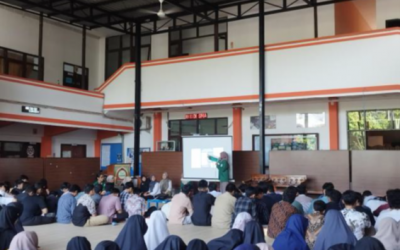
Pentingnya Edukasi Label Pangan dalam Upaya Mencegah Obesitas Remaja
SEBUAH program edukasi tentang literasi label pangan dan informasi gizi yang dilaksanakan di Sekolah Menengah Atas Islam Terpadu (SMAIT) Al Uswah Surabaya berhasil meningkatkan pengetahuan para siswa mengenai pentingnya membaca dan memahami label pada makanan kemasan....
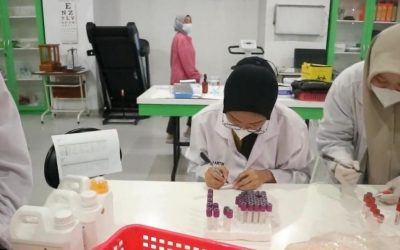
Dukung Pengembangan Riset, Laboratorium UNUSA Terbuka Untuk Masyarakat Lokal
Surabaya - Universitas Nahdlatul Ulama Surabaya (UNUSA) kembali menunjukkan komitmennya dalam mendukung pengembangan penelitian dan peningkatan kualitas hidup masyarakat dengan membuka akses layanan laboratorium yang diperuntukkan bagi masyarakat lokal. Inisiatif ini...
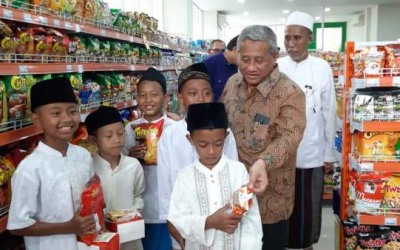
UNUSA Adakan Program Peduli Staf Dengan Voucher Belanja di Yarsis Mart
Surabaya - Universitas Nahdlatul Ulama Surabaya (UNUSA) meluncurkan program inovatif sebagai bagian dari upaya memperkuat kesejahteraan stafnya dengan menghadirkan program pemberian voucher belanja rutin di Yarsis Mart. Langkah ini menjadi intervensi strategis dalam...
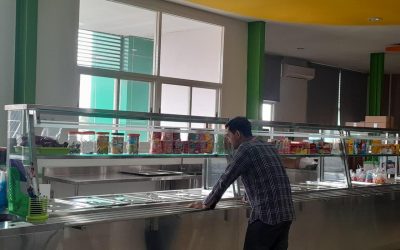
UNUSA Perkuat Literasi Gizi lewat Kantin dengan Fasilitas Lengkap dan Bersih
Surabaya - Universitas Nahdlatul Ulama Surabaya (UNUSA) memperkuat peranannya dalam meningkatkan literasi gizi dan menciptakan kantin sehat di lingkungan kampus dengan fasilitas kantin lengkap dan bersih, serta edukasi interaktif bagi mahasiswa dan pengelola kantin....
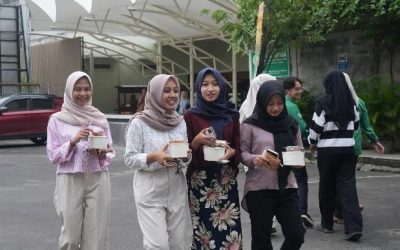
UNUSA Berbagi Kebaikan Ramadhan dengan Buka Puasa Gratis di Kampus
Surabaya - Universitas Nahdlatul Ulama Surabaya (UNUSA) kembali menunjukkan kepedulian sosialnya dengan meluncurkan program buka puasa gratis sebagai bagian dari upaya mengurangi kelaparan di kalangan siswa selama bulan Ramadan. Program ini menjadi bentuk nyata...

Cup Feeder, Solusi Mengatasi Menyusui Tidak Efektif pada Bayi Ikterus
IKTERUS neonatorum atau penyakit kuning pada bayi baru lahir merupakan kondisi yang sering dijumpai di rumah sakit. Salah satu tindakan yang biasanya diberikan adalah fototerapi. Namun, tindakan ini sering membuat bayi tidak bisa menyusu langsung pada ibunya. Selama...