
5
GENDER EQUALITY
Achieving Gender Equality and Empowering Women
Gender Equality
Gender Quality Indicators are an important tool for measuring gender equality and women’s empowerment. These indicators cover various aspects, such as women’s participation in decision-making, access to education and health services, and protection against gender-based violence. By monitoring and analyzing gender-related data, we can identify existing gaps and formulate more effective policies to improve women’s positions. Through these efforts, we hope to create a more inclusive and equitable environment, in line with the SDGs’ goal of achieving sustainability and prosperity for all.
Student Access and Gender Equality Measures at Universitas Nahdlatul Ulama Surabaya (Unusa)
- Tracking Access Measures
- Policies Promoting Women's Access and Participation
- Women's Access Schemes
- Women’s Application in Underrepresented Subjects
Universitas Nahdlatul Ulama Surabaya is dedicated to promoting gender equality in higher education, in alignment with the Sustainable Development Goals (SDGs), particularly Goal 5, which focuses on achieving gender equality and empowering all women and girls. A critical aspect of this commitment is the systematic collection and analysis of data regarding female student admissions.
The university has established a robust and systematic process for tracking the admission of female students through its new student admission system. This process ensures that data on female applicants and their acceptance rates are meticulously recorded and analyzed. By maintaining comprehensive records, the university can monitor trends in female enrollment, identify barriers to access, and implement targeted strategies to enhance female participation in various academic programs.
This systematic approach not only reflects the university’s commitment to gender equality but also serves as a foundation for informed decision-making. By understanding the dynamics of female admissions, Universitas Nahdlatul Ulama Surabaya can develop initiatives aimed at increasing the representation of women in higher education and fostering an inclusive environment that supports their academic success.
In summary, Universitas Nahdlatul Ulama Surabaya exemplifies a proactive stance on gender equality by systematically gathering data on female student admissions. This practice is essential for ensuring equitable access to education and empowering women to achieve their academic and professional aspirations.
Evidence :
Document
Laboratorium Tumbuh Kembang
Unusa has been actively working on policies that promote gender equality, including the establishment of the Gender Study Center (PSG), which is dedicated to advocating for women’s empowerment and gender equality. Although PSG has faced budgetary challenges, the center continues to operate as a non-structural institution coordinating directly with the rectorate. In 2020, Unusa strategic plan emphasized sustainable innovation and gender equality, with a focus on empowering women through education and leadership opportunities. Unusa policies are under review and evolving, with input from various academic and professional disciplines, to enhance gender equality across the university.
Unusa actively encourages female students to apply for fields where they are underrepresented, particularly in leadership and decision-making roles. The Faculty of Medicine is notable for being led by female deans, Dr. dr. Isnatin Miladiyah, M.Kes. and Dr.Phil. Qurotul Uyun, S.Psi., M.Si., setting a precedent for gender equality in faculty leadership. This unique representation at the top level of management reflects Unusa commitment to promoting women in all areas of the university, including fields traditionally dominated by men. Through targeted policies and role models like Dr. Rosita, Unusa actively supports and encourages female students to pursue degrees and careers in underrepresented disciplines.
Women’s Progress Measures at Universitas Nahdlatul Ulama Surabaya (Unusa)
- Non-Discrimination Against Women
- Maternity and Paternity Policies
- Accessible Childcare Facilities for Students
- Childcare Facilities for Staff and Faculty
- Women's Mentoring Schemes
- Tracking Women's Likelihood of Graduating
- Protection for Those Reporting Discrimination
- Paternity Policy
In summary, Universitas Nahdlatul Ulama Surabaya exemplifies a strong commitment to gender equality through its anti-discrimination policies, support for female students in programs like the PMM, and initiatives like JAKETIN for new mothers. These efforts play a vital role in empowering women and promoting sustainable development within the academic landscape.
Evidence : Documentation
Unusa recognizes the importance of supporting families and has policies that accommodate both maternity and paternity needs. These policies support women’s participation by ensuring that new mothers can balance their academic or professional responsibilities with childcare. For example, Unusa provides lactation rooms for female employees and lecturers, allowing them to continue their work while caring for their children.
Unusa offers accessible childcare services through Laboratorium Tumbuh Kembang for employees and lecturers with children aged 0-3 years. These services allow working parents, especially women, to continue their professional responsibilities while ensuring their children’s well-being. The availability of these services helps balance work and family life, supporting women’s progression in both academia and professional settings.
Evidence : Document
In summary, Universitas Nahdlatul Ulama Surabaya exemplifies a strong commitment to gender equality by encouraging fathers to take an active role in parenting. This initiative not only fosters a more equitable distribution of caregiving responsibilities but also supports the overall well-being of families, contributing to a more inclusive and supportive environment for all students and staff.
Evidence : Document
News

Pola Asuh Orang Tua dan Perkembangan Sosial Anak Usia Dini
ANAK usia dini merupakan individu yang sedang berada pada fase penting dalam perkembangan. Pada masa ini, anak mengalami perubahan menyeluruh yang meliputi perkembangan fisik motorik, kognitif, bahasa, sosial, serta moral dan agama. Salah satu aspek yang perlu...
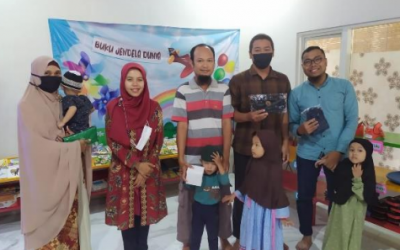
Beban Pengasuhan Tak Seimbang? Begini Cara Unusa Dorong Ayah Lebih Aktif
SELAMA INI, banyak dari kita yang masih berpikir bahwa urusan anak itu ‘tugas ibu’. Ayah? Cukup kerja cari nafkah. Tapi benarkah harus begitu? Padahal, pengasuhan anak di usia dini bukan sekadar rutinitas harian yang bisa dititipkan sepenuhnya pada ibu. Di masa ini,...